Beyond the Usual Trail: The Secret Pyramid Adventure to Meidum, Hawara, and Al Lahon
Everybody knows the Great Pyramids of Giza. They are spectacular, iconic, and… crowded.
But if you are the kind of traveler who craves silence, mystery, and the feeling of genuine discovery, you need to look south of Cairo. At the gateway to the Fayoum oasis lie three enigmatic structures: Meidum, Hawara, and Al Lahon. These aren’t just pyramids; they are architectural experiments, forgotten tombs, and engineering marvels left out in the raw Egyptian landscape.
Visiting them isn’t just a sightseeing tour; it’s an adventure into the heart of the Middle Kingdom and the dawn of pyramid construction.
The Adventure: The Road Less Traveled
Forget the air-conditioned tourist buses stacked up in Giza parking lots. Reaching these three pyramids feels like a treasure hunt.
The journey begins by heading south from Cairo, leaving the urban sprawl behind for the agricultural heartland of the Nile Valley. The highway eventually gives way to smaller, dustier roads that wind through vibrant green fields and small mud-brick villages where life seems unchanged for centuries.
You are entering the transition zone between the fertile valley and the vast Western Desert. The air feels different here—older, quieter.
The adventure lies in the isolation. As your car bumps down a rural track, a strange shape suddenly rises above the palm trees on the horizon. There are no souvenir vendors here, no camel handlers aggressively selling rides. It is usually just you, the desert wind, and thousands of tons of ancient history. It is an eerie, powerful feeling to stand alone before these giants, knowing you are seeing Egypt as early explorers did
Meidum: The Bizarre “Collapsed Pyramid”
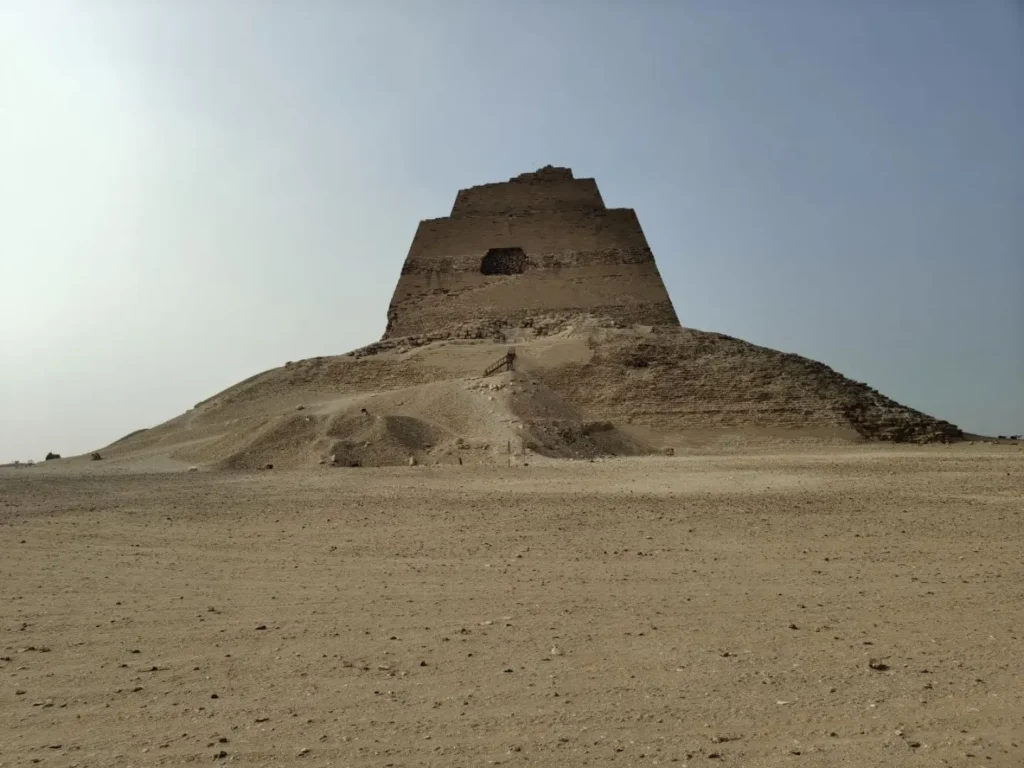
The first stop on this southern route is usually Meidum. As you approach, you might be confused. Is it a tower? A fortress?
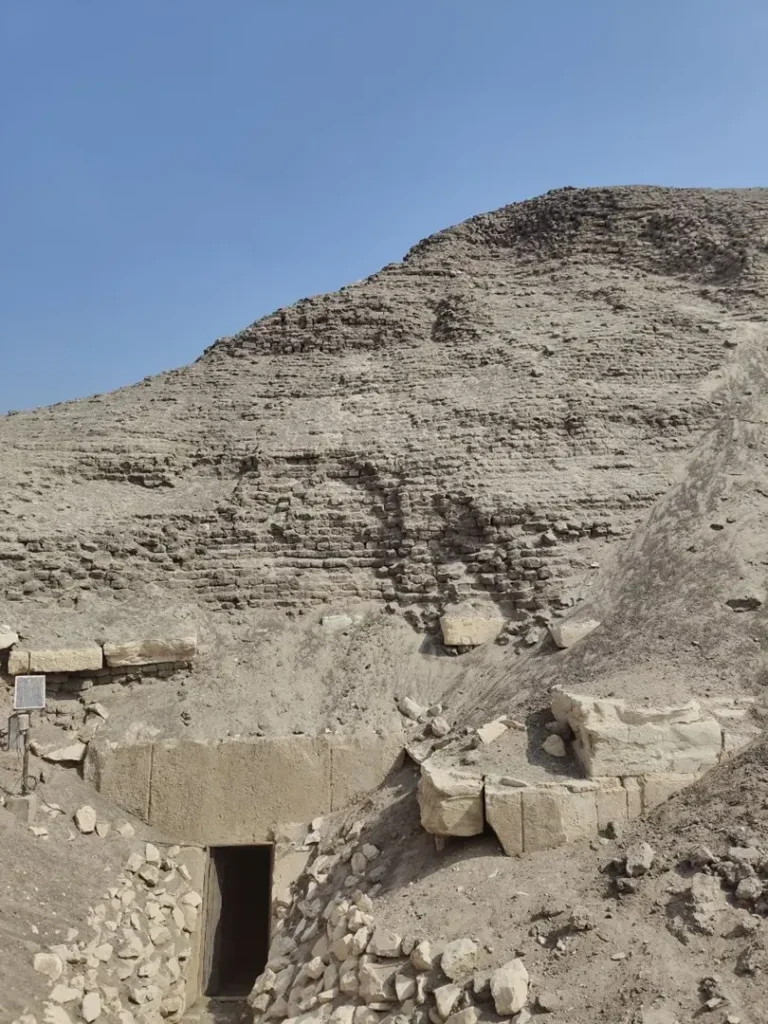
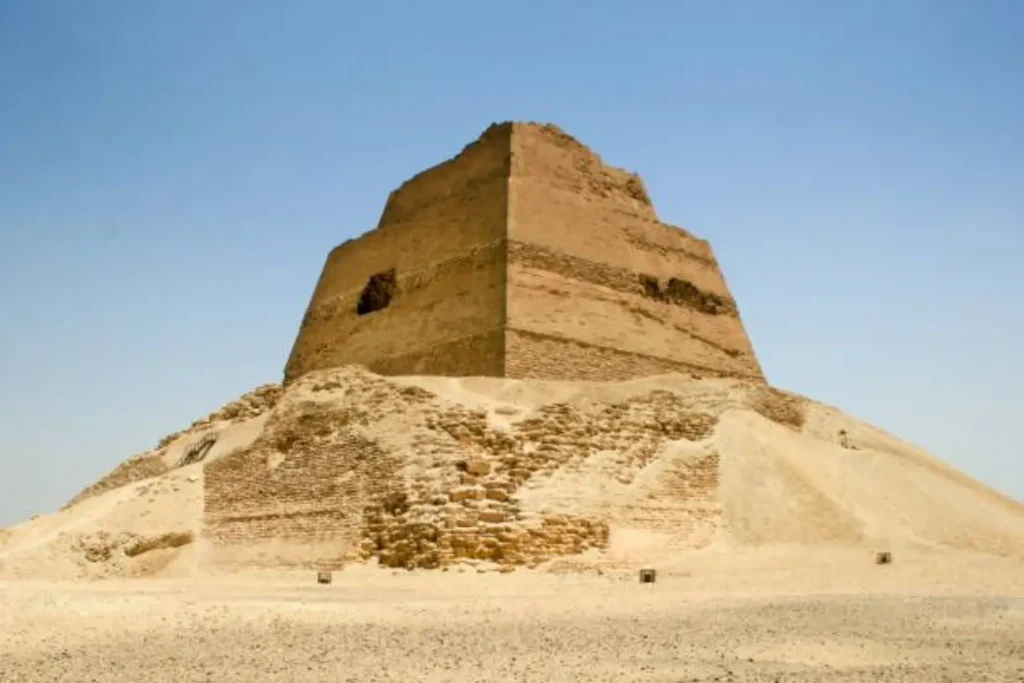
Meidum is history’s most fascinating architectural failure. Originally started by Pharaoh Huni as a step pyramid (like Saqqara) and finished by his successor Sneferu (the father of the pharaoh who built the Great Pyramid), they attempted to smooth out the steps to create the first “true” pyramid.
It didn’t work. The outer casing collapsed ages ago, cascading down the sides in a massive landslide of limestone that still surrounds the base today. What remains is the ghostly, three-stepped inner core jutting out of a mountain of rubble.
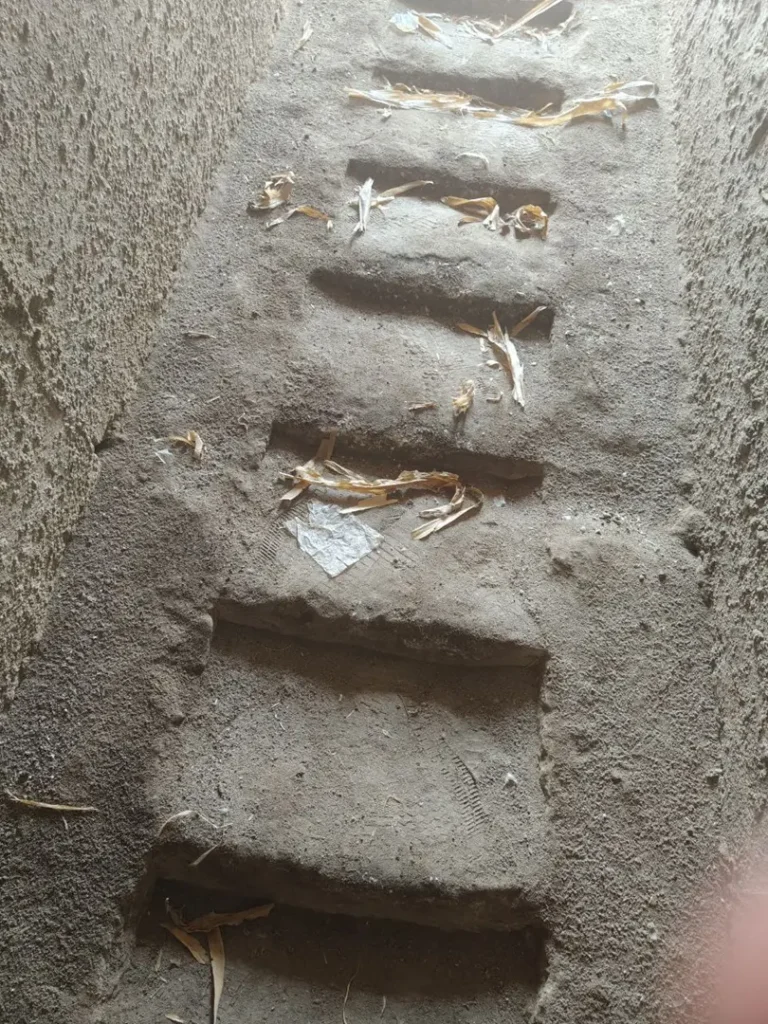
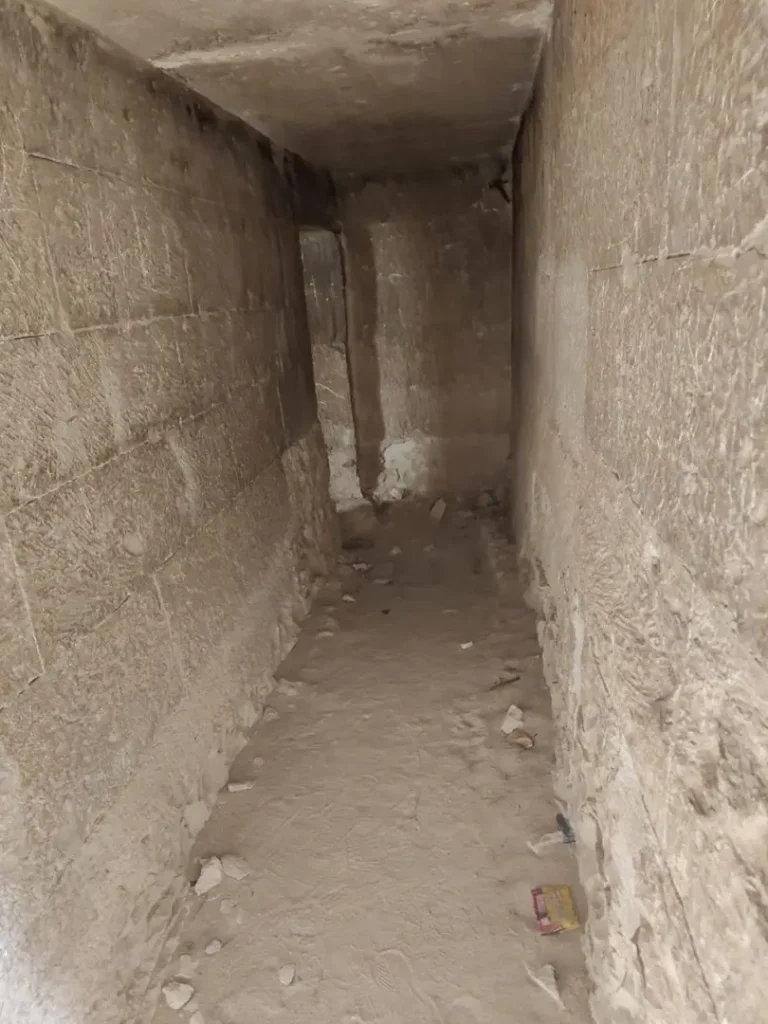
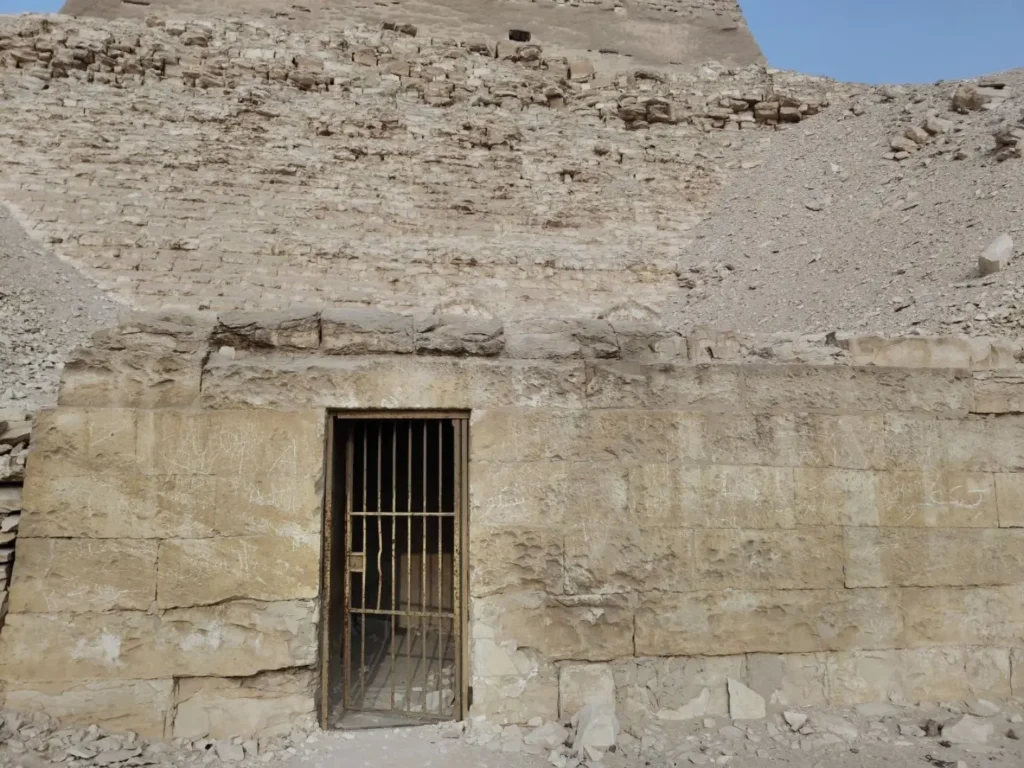
Entering the burial chamber involves a steep, crouching descent down a long, narrow shaft. It’s claustrophobic and thrilling, leading to an empty, corbelled chamber that has never yielded its secrets.
Hawara: The Dark Pyramid and the Lost Labyrinth
Continuing southwest toward the Fayoum entrance, the scenery becomes greener due to ancient irrigation canals. Here you find Hawara, the final resting place of the powerful Middle Kingdom Pharaoh, Amenemhat III.
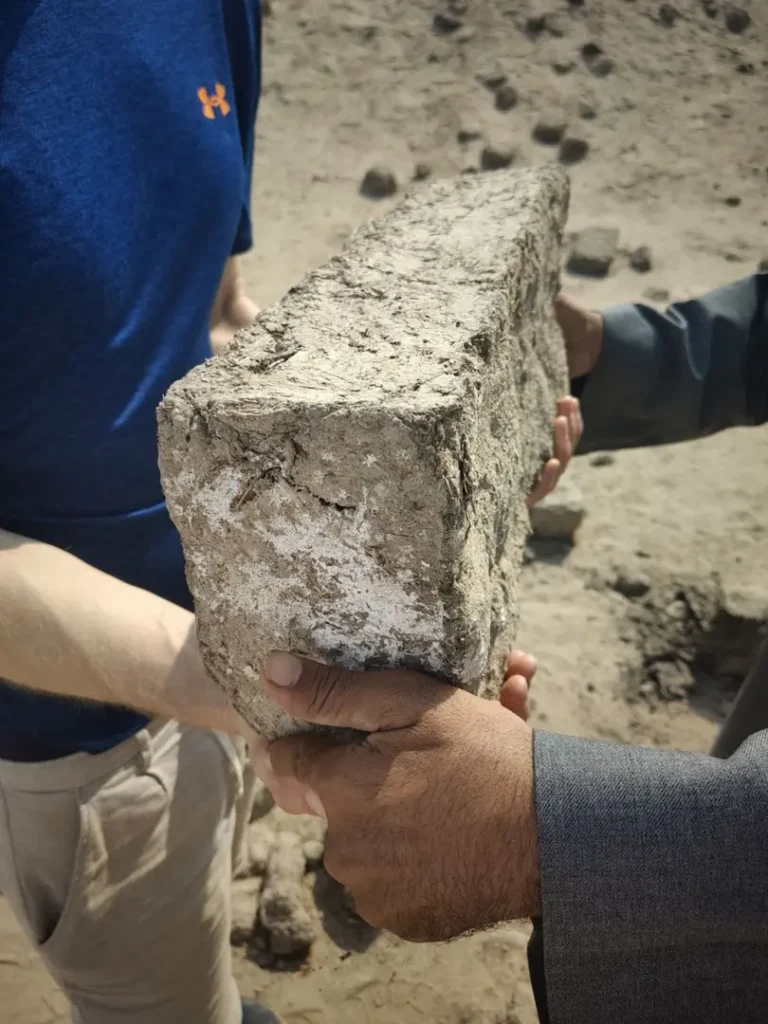
Unlike the stone giants of Giza, Hawara was built largely of mud brick, originally encased in gleaming white limestone. The limestone was stolen millennia ago, leaving behind a massive, brooding mountain of dark mud brick that looks almost organic, like a man-made hill eroding back into the earth.
But the real magic of Hawara lay in what is no longer there. Herodotus, the ancient Greek historian, famously described a colossal “Labyrinth” next to this pyramid—a mortuary temple with 3,000 rooms and winding passages that surpassed even the pyramids themselves in glory. Today, only a confusing field of stone chips and broken columns remains of this legendary structure, a haunting testament to lost grandeur.
Al Lahon (El Lahun): The Engineer’s Secret
A short distance from Hawara sits the pyramid of Senusret II at Al Lahon. This structure is a masterclass in ancient efficiency and deception.
Like Hawara, it is a mud-brick core that has lost its casing. However, the builders here were clever. They found a natural 12-meter high rocky knoll and built the pyramid around it, saving immense amounts of labor and time.
The true genius of Al Lahon, however, was its security. For centuries, tomb robbers knew that pyramid entrances were always on the north side, facing the imperishable stars. Senusret II broke with tradition. He hid his entrance on the south side, beneath the pavement of his mortuary temple, confounding thieves for generations. The shaft here is a complex series of corridors and wells designed to trap the unwary.
Standing at Al Lahon provides a stunning panoramic view of the Bahr Yussef canal and the lush green entrance to the Fayoum oasis, contrasting sharply with the desert behind you.
Practical Tips for the Adventurer
This trip requires more planning than a standard Cairo day tour.
- Transportation is Key: You cannot easily reach these sites via public transport. You must hire a private car with an experienced driver for the full day. They know the rural roads and how to navigate the police checkpoints in the area.
- Go with a Guide: A knowledgeable Egyptologist is essential. Without one, you are just looking at piles of mud and stone. They will unlock the secrets of the construction, the failed experiments, and the history of the Middle Kingdom.
- Dress for the Occasion: This is raw exploration. Wear sturdy hiking shoes or boots—the ground around the pyramids is loose sand, sharp limestone chips, and rubble. Sandals will not cut it. Bring plenty of water, sunscreen, and a hat, as there is zero shade.
- Manage Expectations: Do not expect the pristine condition of Giza. These pyramids are heavily eroded. Their beauty lies in their age, their isolation, and the visible struggle of ancient engineers trying to perfect their craft