
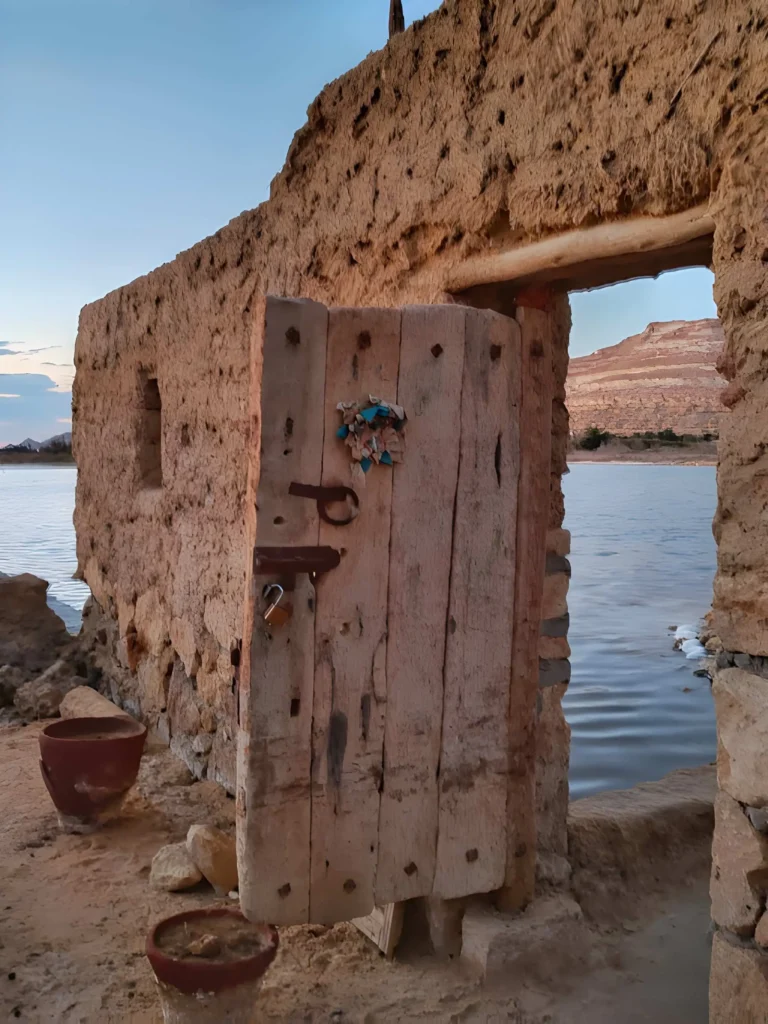
Welcome to Siwa, the “Oasis of Jupiter Amun.” From an Egyptologist’s perspective, Siwa is not just a desert retreat; it is a sacred landscape where the lines between Pharaonic, Greek, and Roman civilizations blurred.
Known in ancient times as Sekhet-am (“Field of Trees”), this remote enclave became the ultimate destination for the ancient world’s most powerful figures. Below is a curated guide to Siwa’s most significant archaeological and historical landmarks.
1. The Temple of the Oracle (Aghurmi)
The Jewel of the 26th Dynasty
This is the most historically significant site in the Western Desert. Built during the 26th Dynasty (approx. 6th century BCE), it was dedicated to the god Amun.
- The Egyptologist’s Note: This is where Alexander the Great journeyed in 332 BCE to consult the Oracle. Legend says the priest addressed him as the “Son of Amun,” legitimizing his rule as Pharaoh of Egypt.
- What to see: Look for the distinctive stone masonry that survived the centuries and the panoramic view of the oasis—the same view Alexander would have seen.
2. Gebel al-Mawta (The Mountain of the Dead)
A Multi-Era Necropolis
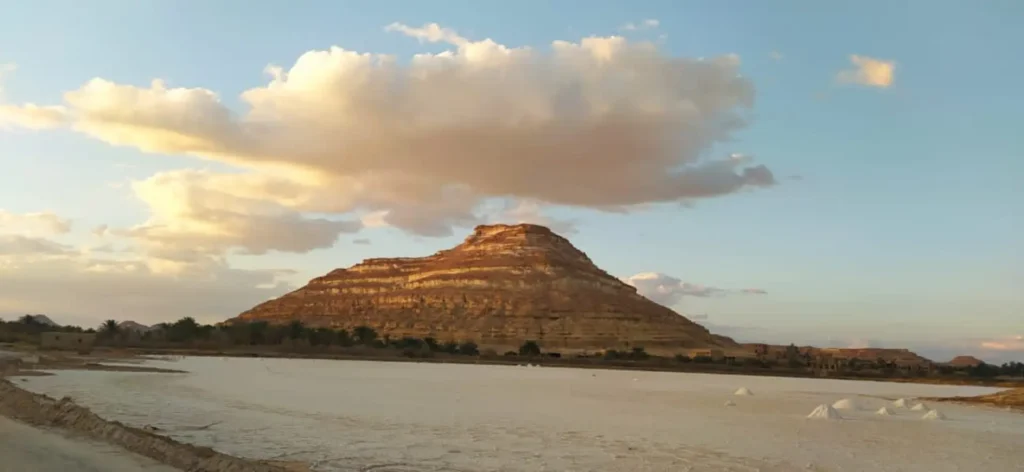
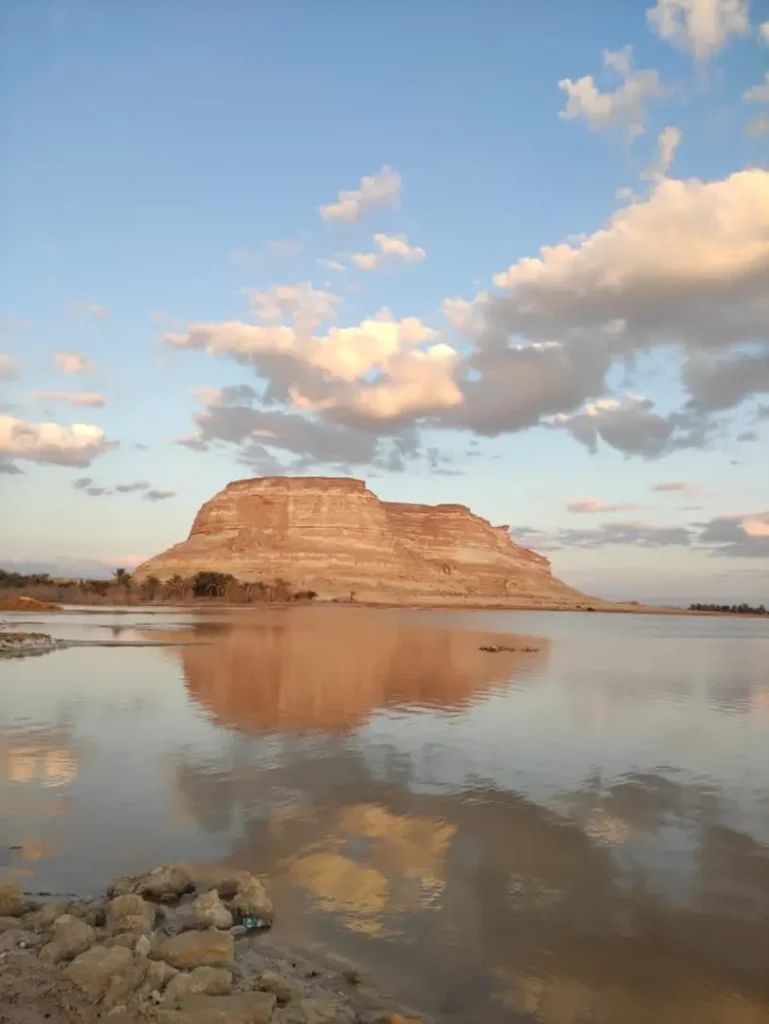
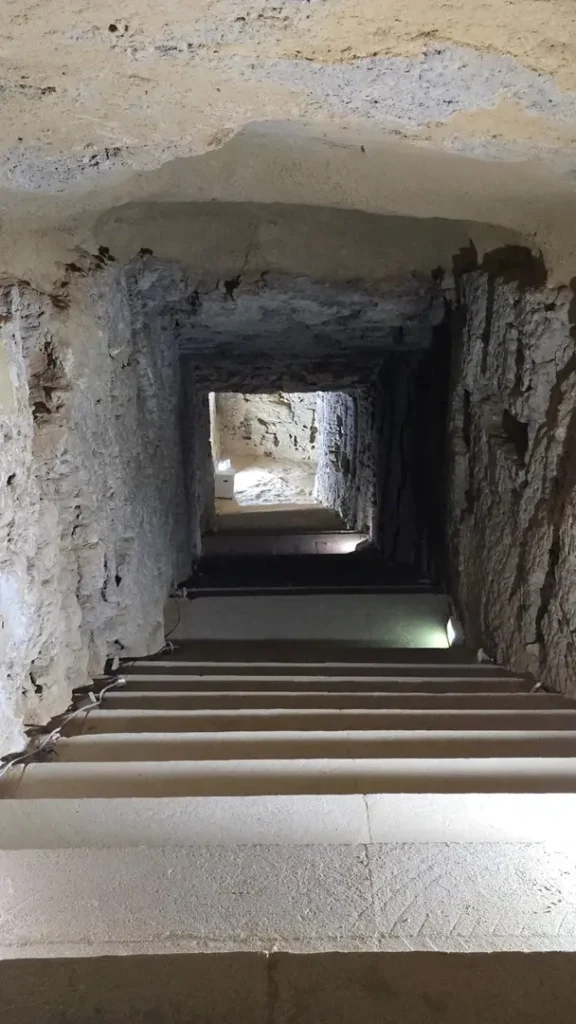
A conical hill honeycombed with rock-cut tombs, this site serves as a chronological record of Siwan elite life from the Late Period through the Roman era.
- Key Tombs:
- Tomb of Si-Amun: Often called the most beautiful tomb in the Western Desert, it features vibrant reliefs showing a wealthy Greek merchant making offerings to Egyptian deities like Nut and Hathor.
- Tomb of Niperpathot: One of the oldest, dating to the 26th Dynasty, featuring inscriptions in a unique reddish ink still used in Siwan pottery today.
- Tomb of the Crocodile: Famous for its depiction of the god Sobek.
3. The Temple of Umm Ubayd
The Ritual Causeway
Located just a short walk from the Oracle Temple, only one massive wall of this structure remains today, but its significance is profound.
- The Egyptologist’s Note: It was originally connected to the Oracle Temple by a sacred causeway. Ancient pilgrims would likely visit Umm Ubayd for purification or secondary rituals before ascending to hear the god’s voice at the Oracle.
- What to see: The remaining wall is covered in intricate hieroglyphics and reliefs depicting the Pharaoh making offerings to Amun-Ra.
4. Shali Fortress (Old Siwa)
The Living Heritage
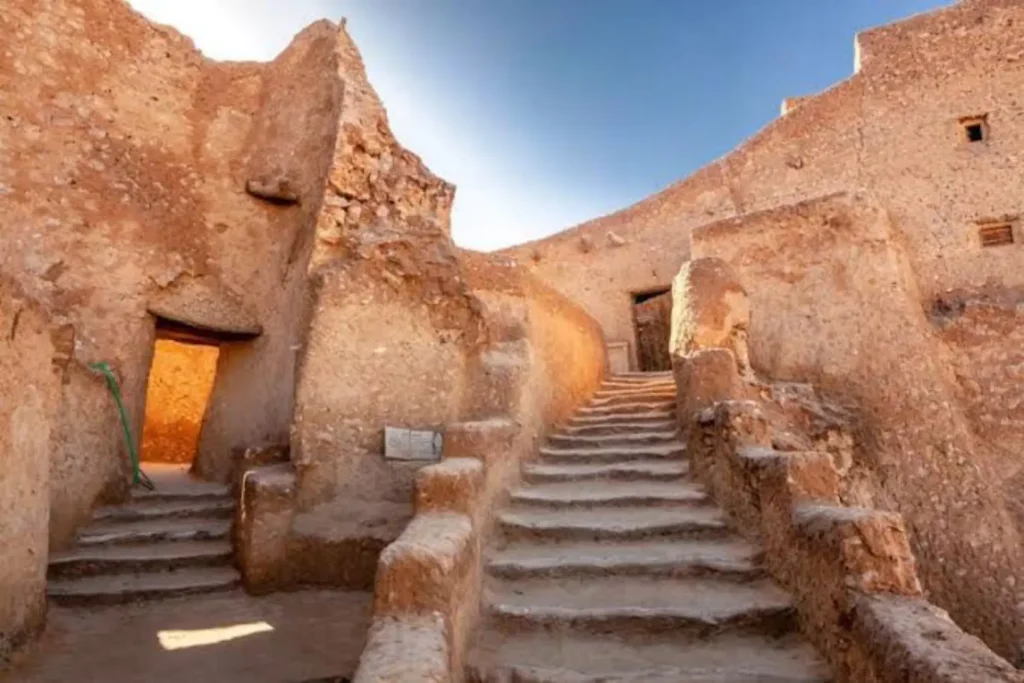
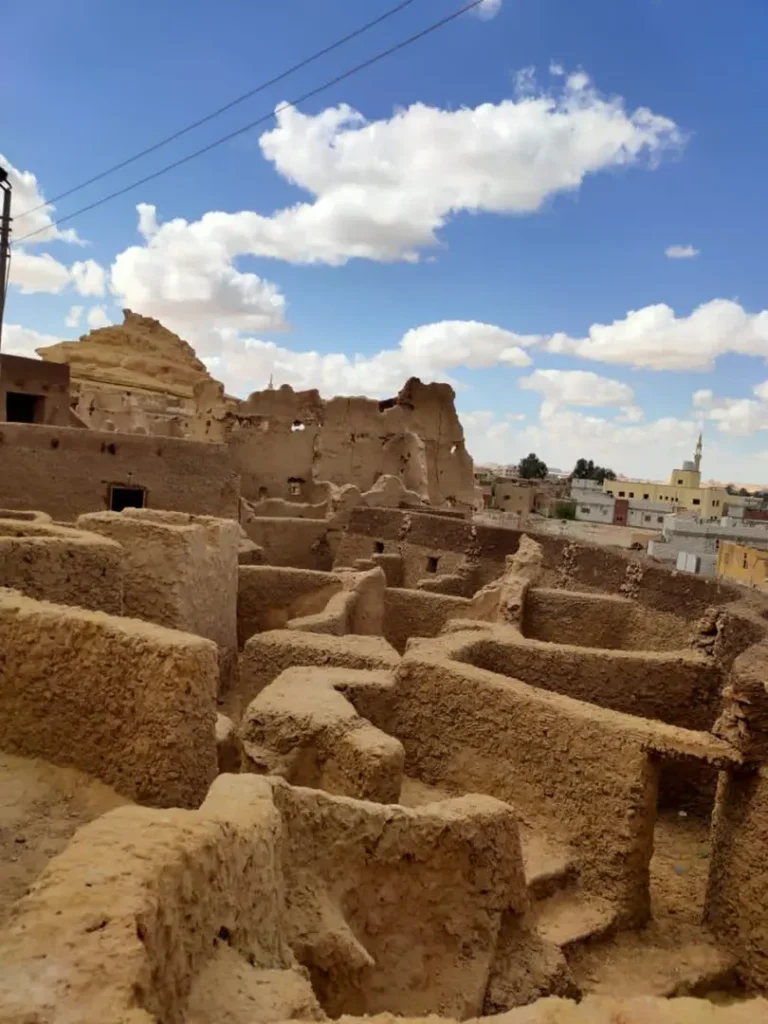
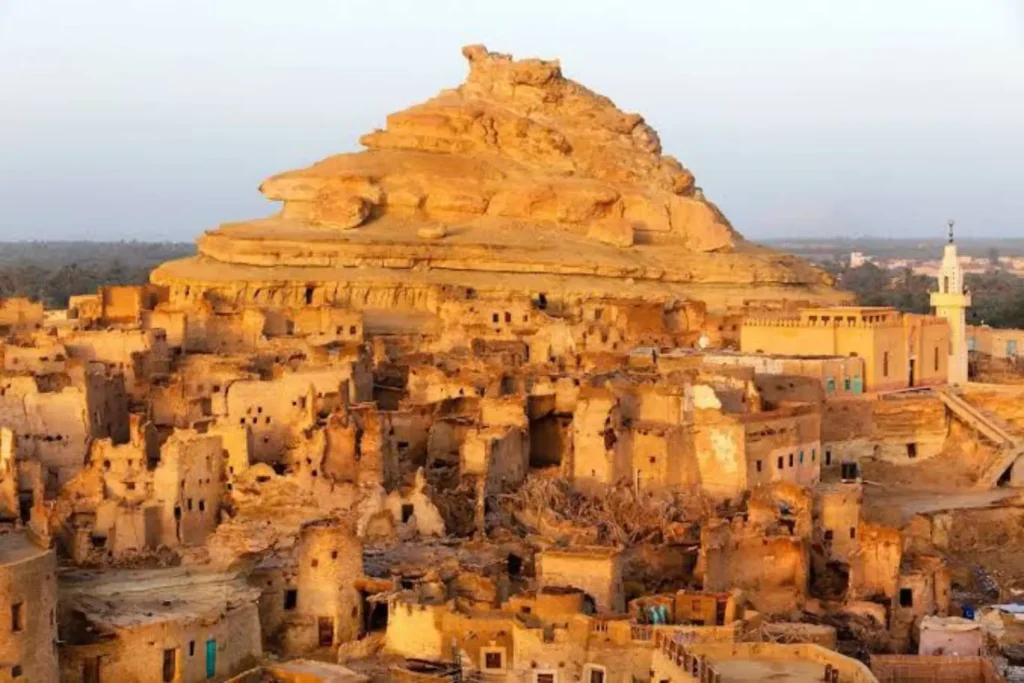
While the current ruins date primarily to the 13th century (Medieval era), the fortress is built atop ancient foundations and represents the continuity of the Siwan people.
- Technical Highlight: The fortress is built from kershef—a unique mixture of salt-rich mud and clay.
- The Egyptologist’s Note: Though newer than the temples, Shali reflects the “fortress-town” mentality that has protected the oasis’s unique Berber-Egyptian culture from invaders for millennia.
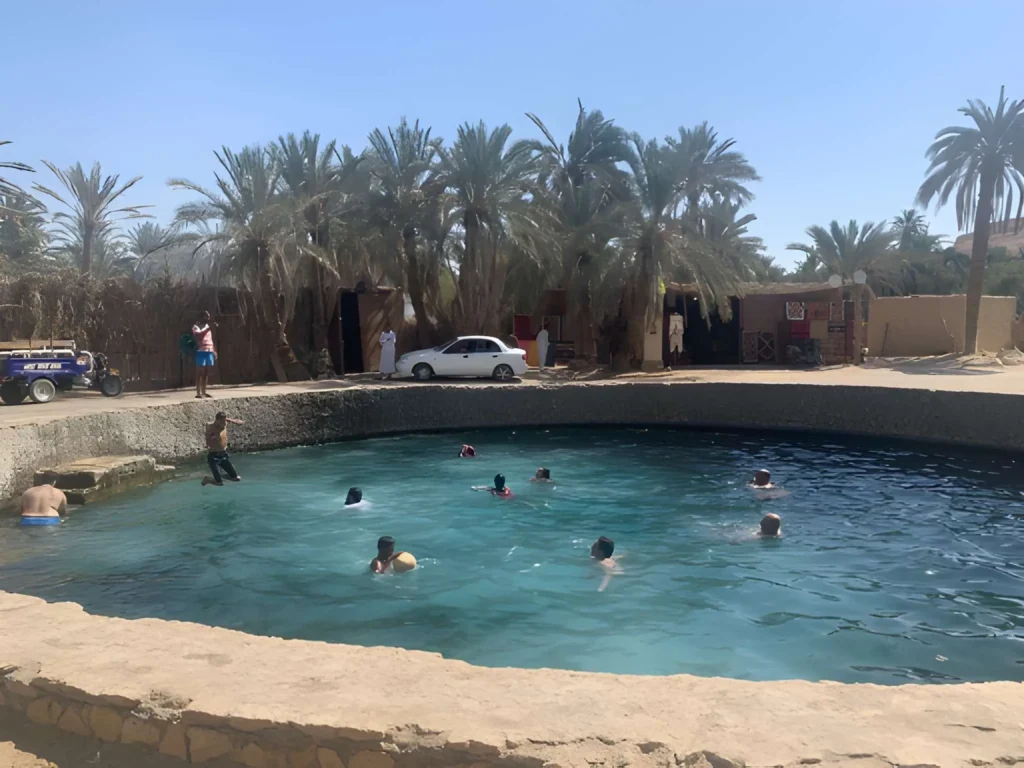
- Cleopatra’s Bath (Ain Guba)
The Mythic Spring
While there is no archaeological evidence that Queen Cleopatra VII ever visited this specific spring, its name reflects the deep-rooted Greco-Roman influence in the region.
- Context: In antiquity, these natural springs were essential for the “Sacred Way” that priests and royalty traveled. It serves as a reminder of the hydraulic engineering that allowed such a sophisticated society to thrive in the heart of the Sahara.
The Egyptologist’s Verdict
Siwa is unique because it was the last bastion of ancient Egyptian religion. Even as Christianity spread through the Nile Valley, the cult of Amun at Siwa remained active well into the 6th century CE. It is a place where the “Old Gods” held their ground long after the rest of the world had moved on
5. The Great Sand Sea Safari
Tracing the Path of the Lost Army
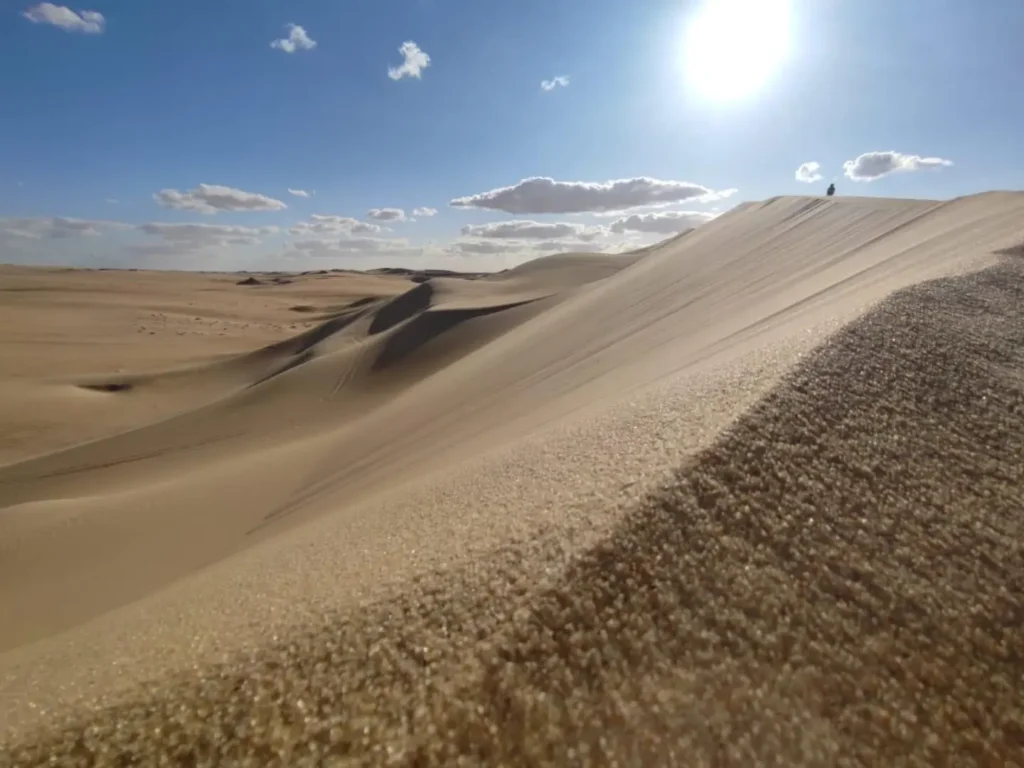
The Great Sand Sea is one of the largest dune fields in the world, stretching south of the oasis. From an Egyptologist’s view, this is the realm of Set, the god of storms and the desert.
The Mystery: This is the legendary site where the 50,000-man army of Persian King Cambyses II allegedly vanished in a sandstorm in 525 BCE while marching to destroy the Temple of the Oracle.
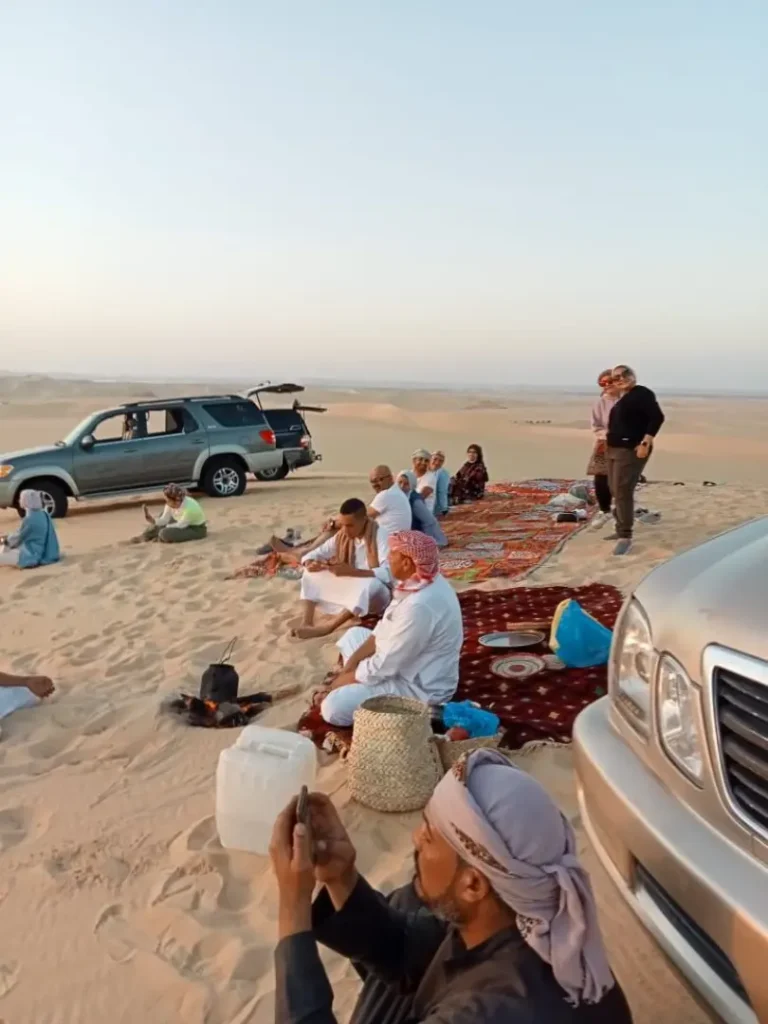
The Adventure: Modern 4×4 safaris take you over towering longitudinal dunes, discovering prehistoric fossils (including whale skeletons and shark teeth) that prove this desert was once a vast prehistoric ocean.
6. Fatnas Island (The Island of the Sun)
The Gateway to the Horizon
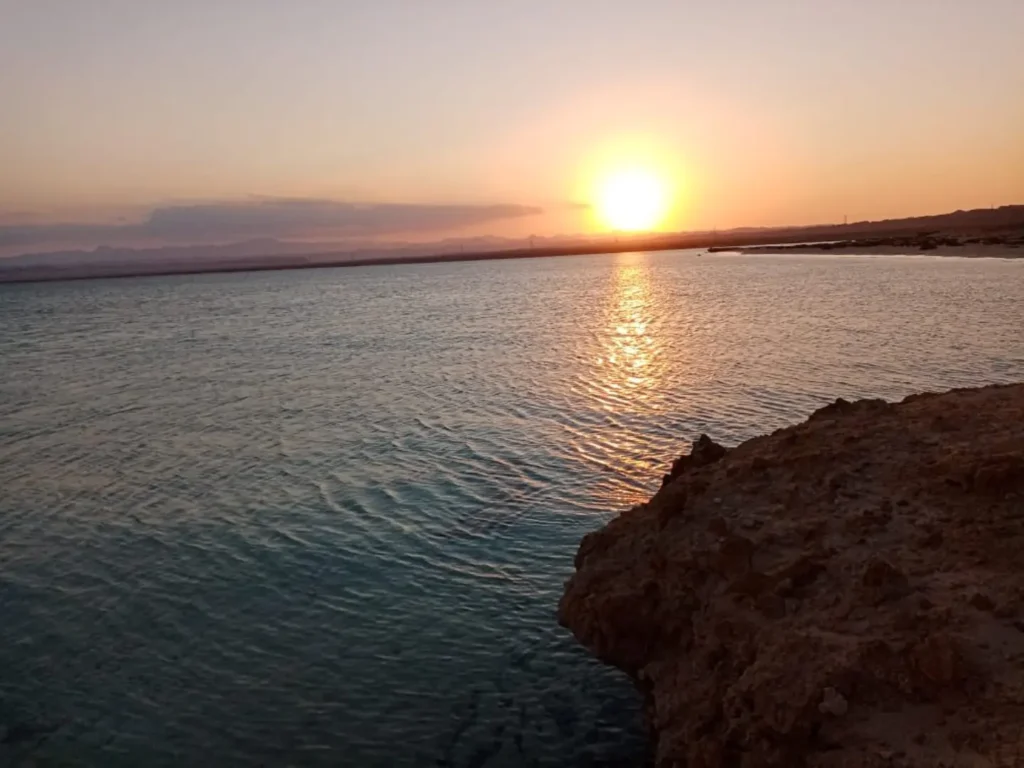
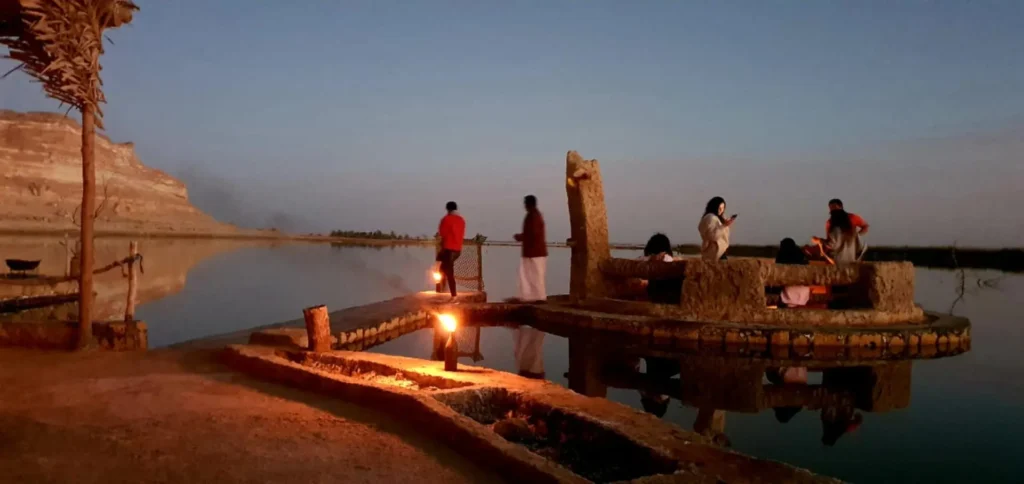
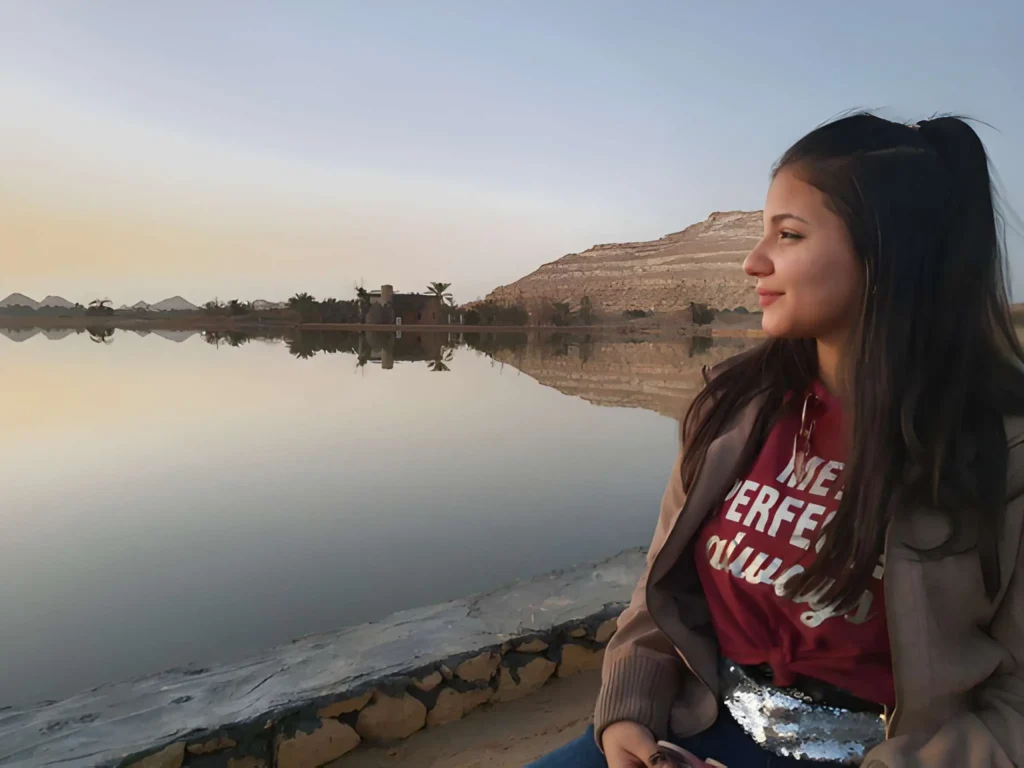
Located on the edge of Lake Siwa, Fatnas is a palm-fringed sanctuary that offers the most famous sunset in the Western Desert.
The Egyptologist’s Note: The ancients viewed the sunset not just as a visual event, but as the sun god Ra entering the Duat (the underworld). Watching the sun dip behind the mountains from Fatnas provides a perspective on why the “West” was always the land of the afterlife in Egyptian mythology.
The Experience: Total isolation from the noise of the town, surrounded by salt lakes and hundreds of thousands of date palms.
7. The White Mountain (Gebel Al-Baida)
The Sculpted Solitude
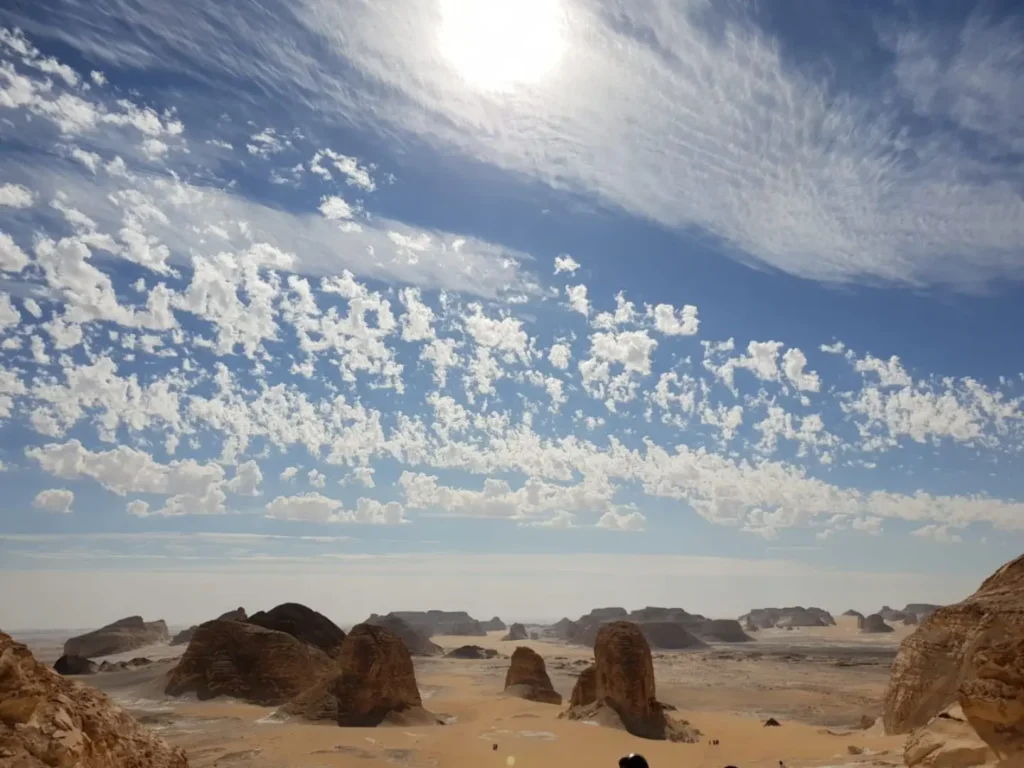
Far deeper into the desert lies the “White Mountain,” a stunning limestone formation that stands in stark, ghostly contrast to the golden sands.
The Egyptologist’s Note: These remote, white chalk formations were often used by ancient desert scouts and salt-caravanners as landmarks. The isolation here is absolute; it is one of the few places on Earth where you can experience “The Great Silence”—a state highly valued by ancient ascetics and priests.
The Adventure: Trekking or camping here feels like standing on the surface of the moon, offering a raw look at the geological forces that shaped the oasis.
8. Eco-Camps & Therapeutic Hot Springs
Ancient Balneotherapy
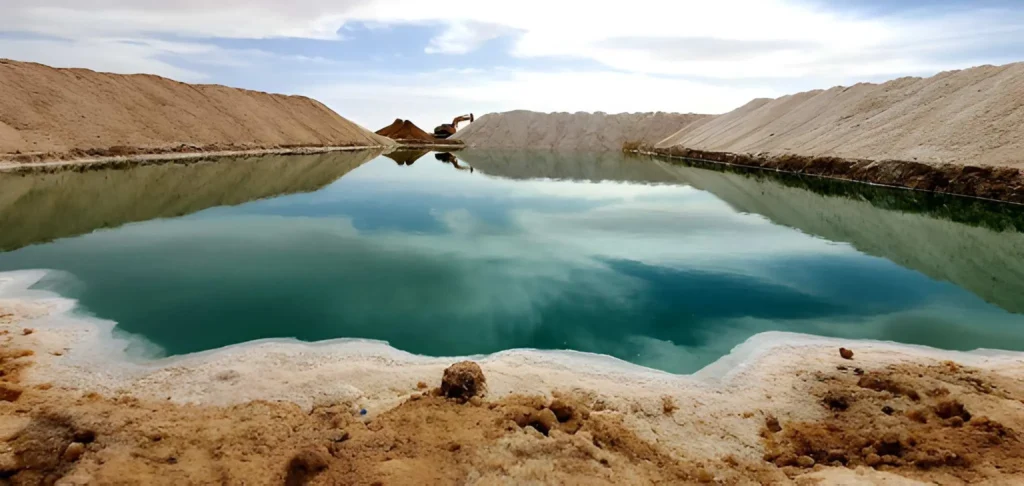
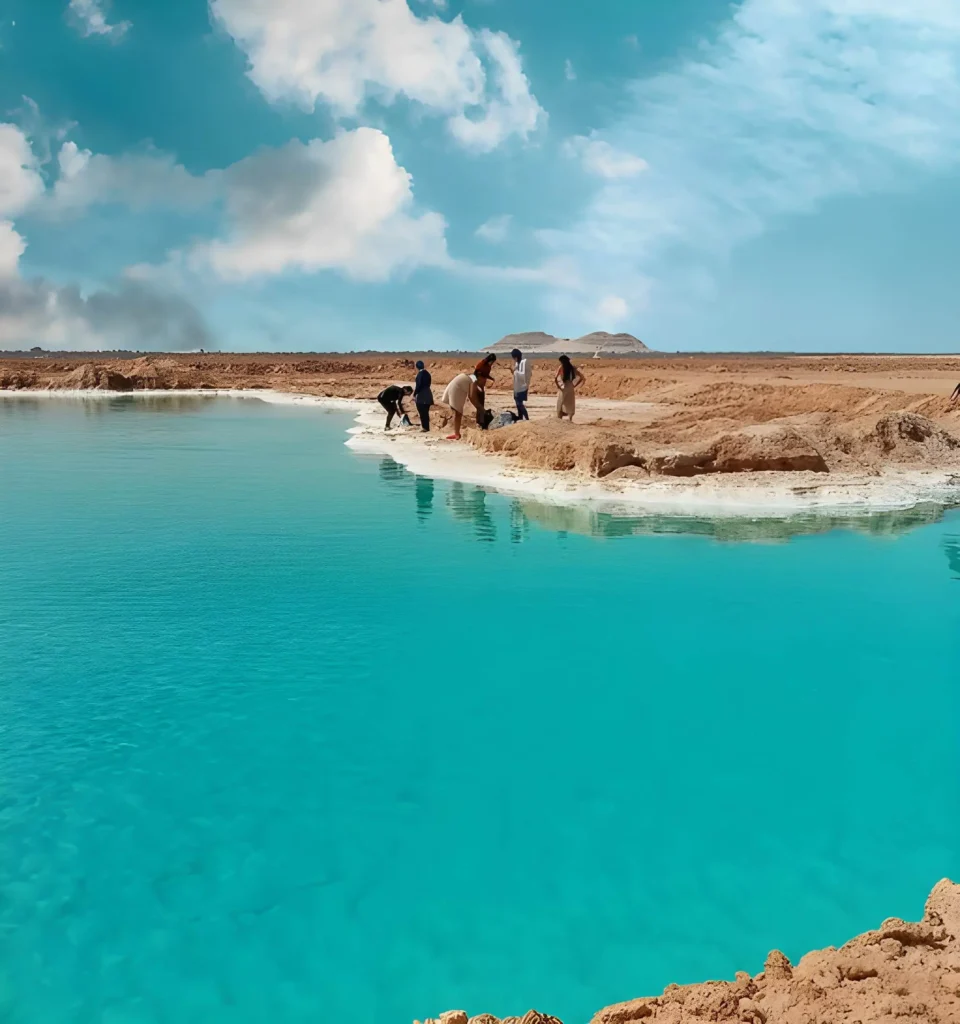
Siwa is blessed with hundreds of natural springs, both hot and cold. Modern eco-camps, like those near Bir Wahed, allow travelers to live as the desert-dwellers did for millennia.
The Healing Tradition: Since the Roman era, Siwa’s sulfurous hot springs have been prized for their medicinal properties. Soaking in these waters under a canopy of stars is a ritual that has remained unchanged for over 2,000 years.
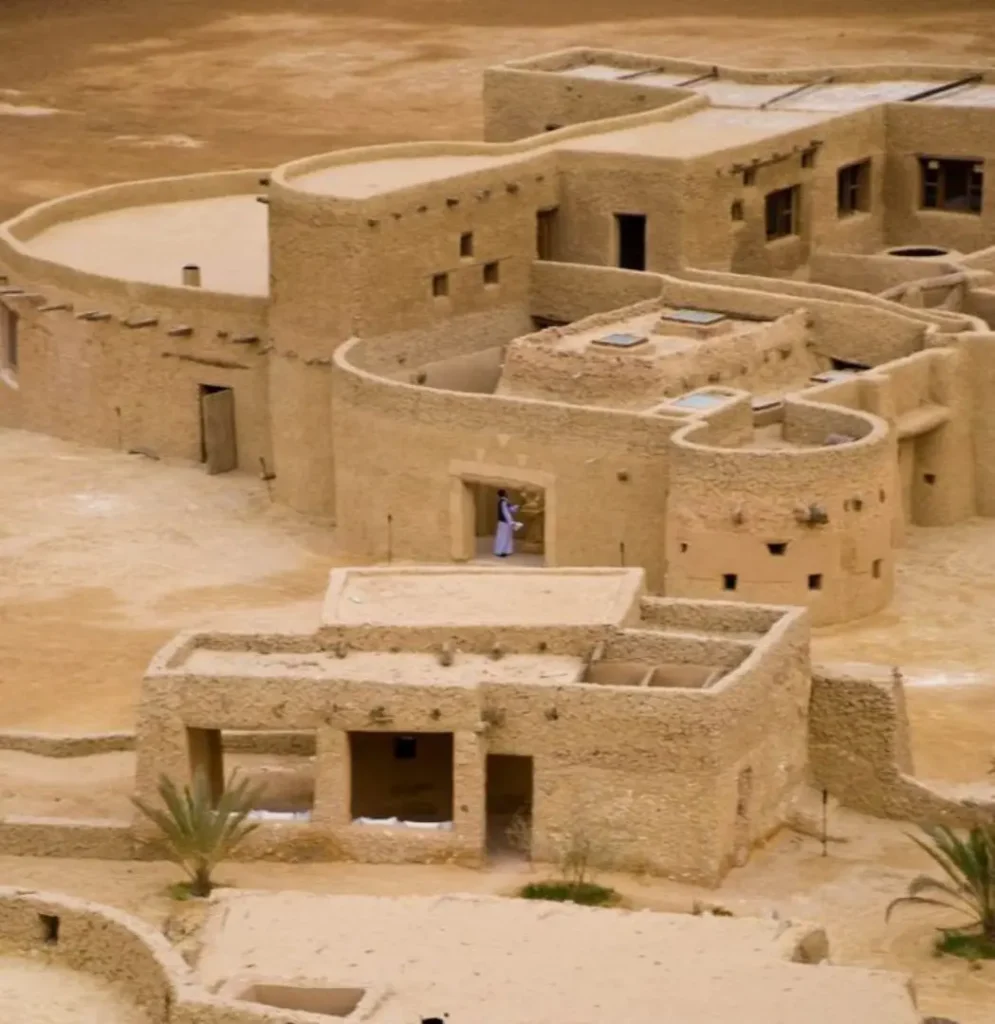
Isolation Feature: These camps are often located far from cellular signals and electricity, using traditional Siwan architecture (Kershef) to blend into the dunes, offering a “digital detox” rooted in ancient simplicity.
The Synthesis: Adventure Meets Antiquity
To visit Siwa is to navigate the tension between the “Black Land” (the fertile oasis) and the “Red Land” (the surrounding desert). Whether you are exploring the rock-cut tombs of the elite or sandboarding down a 100-meter dune, you are walking through a landscape that forced the ancients to become both masters of engineering and seekers of the divine.